
Measure
Identify the operating conditions and performance indicators that matter, then collect reliable measurements.
MONITORING & INTEGRATION · RHD SCOTLAND
Monitoring, data acquisition and system integration that help turn measurements into a clearer understanding of how equipment, processes and entire sites perform.
OUR APPROACH
At RHD Scotland, we believe that meaningful improvements begin with understanding how a process or environment actually behaves.
Assumptions and occasional readings can only tell part of the story. Continuous monitoring allows operating conditions, performance and changes over time to be examined in much greater detail.
Agricultural installations are a major part of our work. We actively monitor our own hydroelectric and solar generation sites, as well as farm installations. This practical experience informs the monitoring and control solutions we develop for other applications.
The objective is not simply to collect more data. It is to collect the right information, understand what it means and use it to make informed engineering decisions.
Identify the operating conditions and performance indicators that matter, then collect reliable measurements.
Use historical trends and operating information to establish how the system behaves under different conditions.
Use that understanding to identify opportunities for better control, more effective energy use or improved operation.
Continue monitoring after changes are made to establish whether the intended improvements have been achieved.
Monitoring is not the end of the process.It is the starting point for understanding, improving and verifying performance.
POWER MONITORING & MEASUREMENT
Our approach starts with understanding how your site actually uses energy. We install a standard monitoring system, record how demand changes through normal operation, investigate unexpected consumption and work with you to develop a practical improvement plan.
The same system provides a foundation for further measurements and controls as your requirements develop. It supports a continuing process of measurement, investigation, improvement and verification.
OUR STANDARD OFFERING
Our standard offering is a nine-point power monitoring system built around a Beckhoff PLC, with an HMI for viewing measurements, remote customer access and remote data logging. Monitoring points are selected following a site survey to provide useful visibility of the main supplies, loads and generation within the installation.
Following a site survey, systems can be supplied and installed in as little as two weeks, depending on the installation requirements and equipment availability.
FROM SURVEY TO IMPROVEMENT
Establish the baseline, understand the causes and assess the options before deciding where to invest.
Review the electrical installation, operating routines, main equipment and existing generation. Agree the monitoring points and the questions the measurements need to answer.
Install the nine-point system and give the customer access to the HMI. Record demand over a month or more to capture operating patterns, peak loads and consumption outside normal working hours.
After a month or more of monitoring, begin identifying usage trends and areas for investigation. Relate unusual demand to equipment operation, site conditions and working practices to establish likely causes.
Use the measured demand profile as the basis for a simulation model. Investigate the impact of different mixes of hydro, wind, solar and biomass-based generation, alongside battery storage where relevant. Generation assumptions and seasonal conditions help put the results in context.
Develop a plan with the customer around the findings and site priorities. This may include changes to operating practices, plant repairs, renewables or batteries, additional measurements, or automatic controls.
Continue monitoring as improvements are introduced. Compare results with the baseline, allowing for changes in operation and site conditions, and use the findings to guide the next steps.
WHAT WE INVESTIGATE
In our experience, excess consumption outside the main operation can arise from everyday working practices, maintenance issues or plant design. Monitoring helps identify where to look; investigation establishes what needs to change.
A SYSTEM THAT CAN DEVELOP
A key benefit of the Beckhoff PLC-based approach is the ability to extend the system. If power data highlights an issue, further measurements can help explain it: tank levels, temperatures, flow rates or equipment status, for example.
Controls can then be added where appropriate to manage pumps, heaters, tank filling or flexible loads. The monitoring installation becomes a platform for improving how the site operates, as well as understanding its energy use.
Combined with simulation, this gives the customer a measured basis for considering renewable generation and batteries, prioritising changes and checking whether the intended improvements have been achieved.
WHERE WE WORK
From renewable generation and agricultural sites to industrial equipment, monitoring provides the information needed to understand operating behaviour.
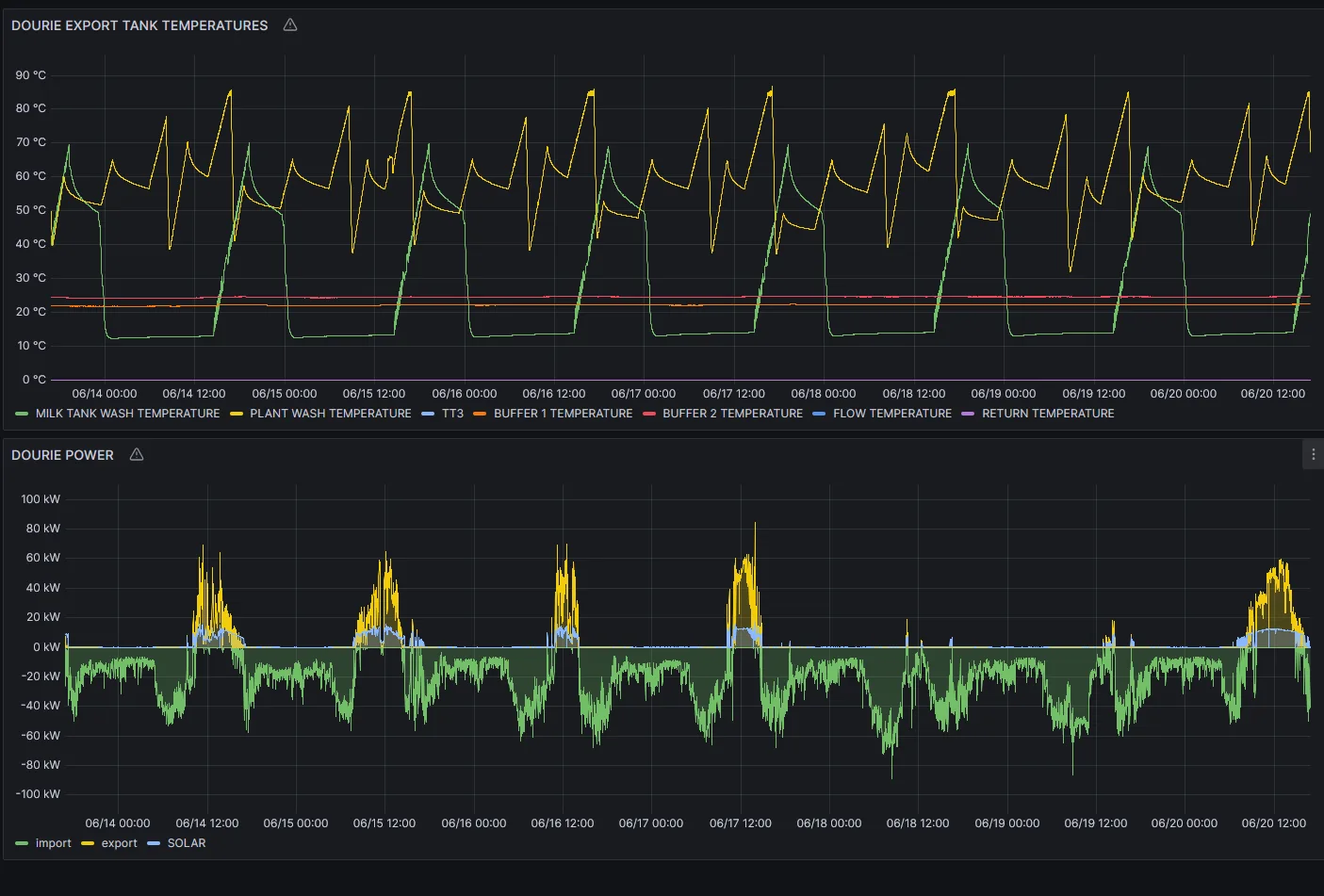
01 / RENEWABLE GENERATION
RHD Scotland actively monitors hydroelectric and solar generation installations, collecting operational information to understand how systems perform over time.
Monitoring provides visibility of generation, equipment operation and changing site conditions. Historical trends allow performance to be examined beyond a single instantaneous reading.
This information provides a basis for identifying operational issues, investigating unexpected behaviour and assessing potential improvements.
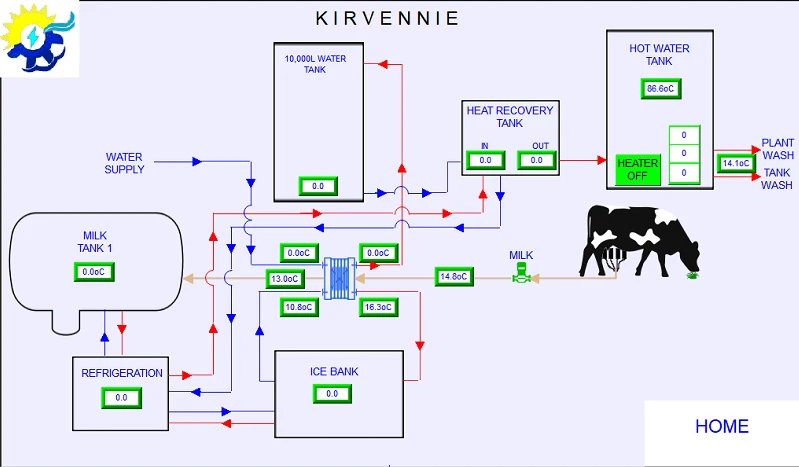
02 / AGRICULTURAL MONITORING
Modern farms contain an increasing range of interconnected equipment, electrical systems and processes. Understanding how these systems interact is an important part of improving their operation.
RHD Scotland develops monitoring and integration solutions that bring information from different parts of a site together.
Electrical measurements, process conditions and equipment status can be collected and presented to provide a clearer picture of what is happening across an installation.
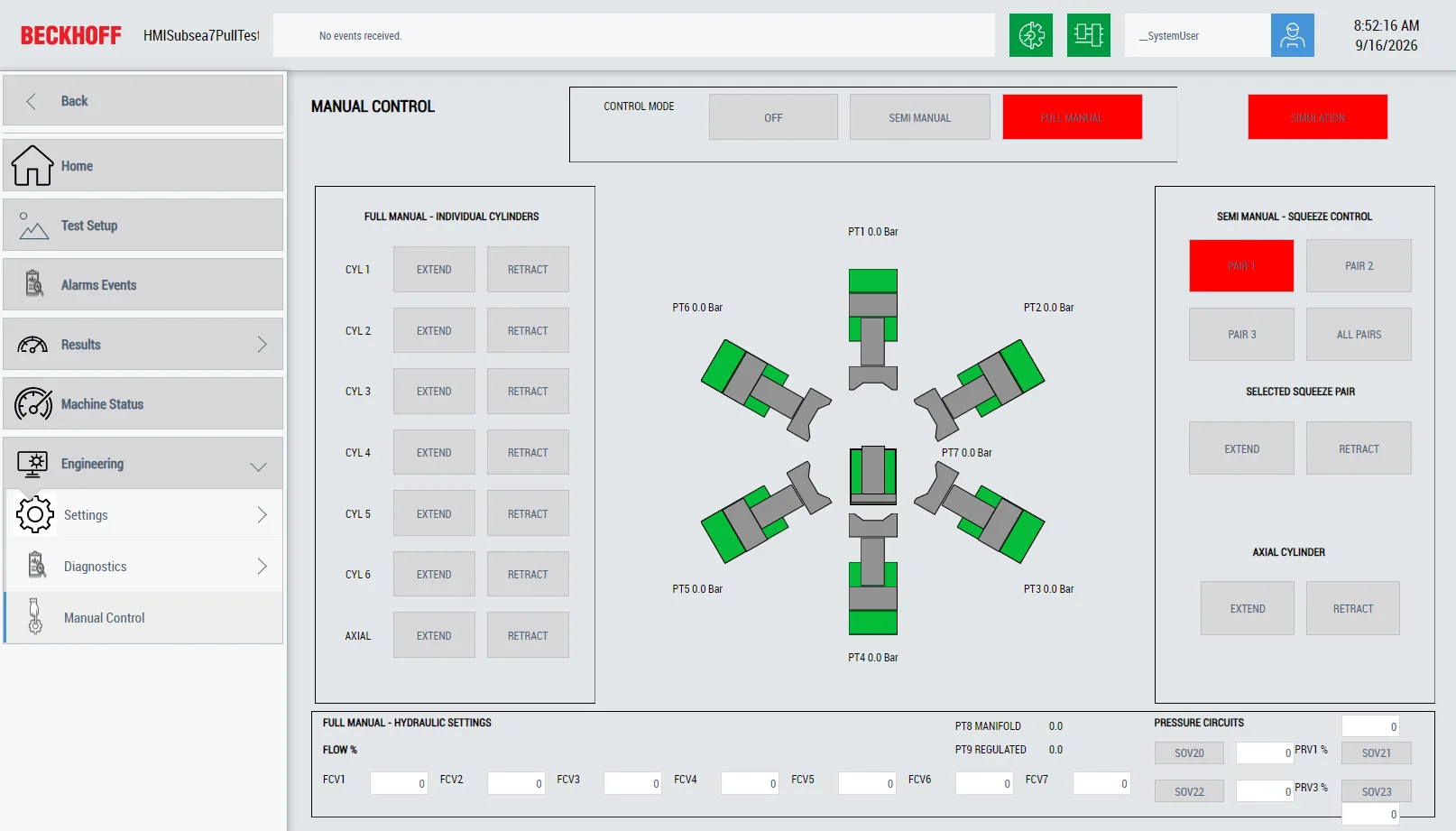
03 / PROCESS & EQUIPMENT DATA
Monitoring is equally valuable in industrial processes and specialist machinery, where understanding equipment behaviour can be essential to reliable operation.
We integrate instrumentation, PLC systems and operator interfaces to collect and present measurements relevant to the application.
Where required, data can be recorded for subsequent review, allowing events, process changes and equipment performance to be examined in context.
FARM & DAIRY SYSTEMS
Milking, milk cooling, hot water, cleaning and pumping all contribute to the operating and energy demands of the farm.
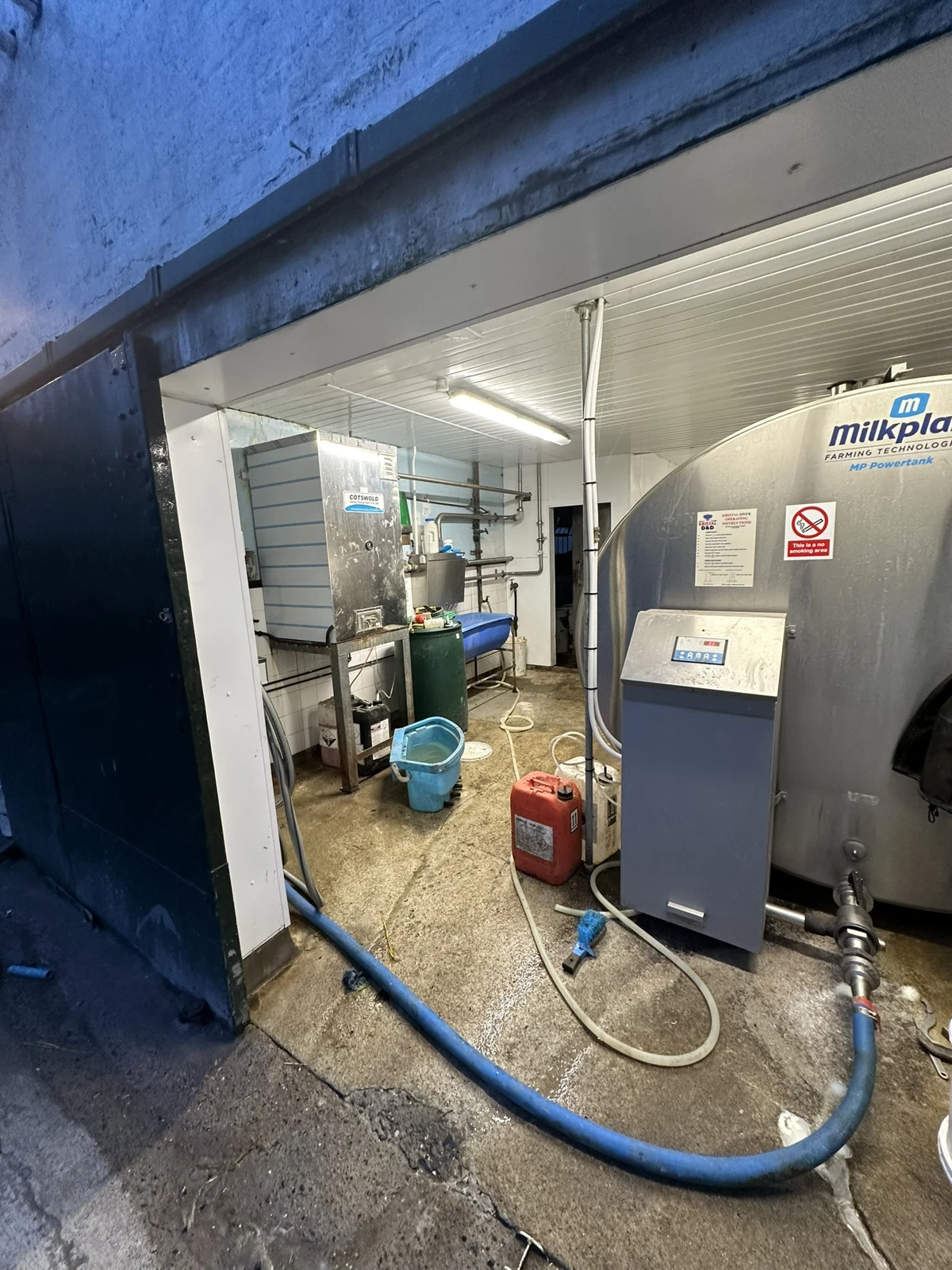
With Beckhoff PLC-based monitoring, additional measurements and controls can be added as the investigation develops. The aim is to understand the relationships between the systems, then agree practical changes with the customer.
See our standard power monitoring approach →ENGINEERING CAPABILITIES
A monitoring system brings together instrumentation, communications, data recording and a clear way of presenting the information.
Collecting measurements and operational information from instrumentation, controllers and equipment.
Connecting compatible equipment and control systems using appropriate industrial communication technologies.
Recording operational information so that trends, events and changes can be examined over time.
Presenting relevant measurements, operating conditions and equipment status through clear graphical interfaces.
Bringing information from separate systems together to provide a more complete view of an installation.
Using measured information to investigate operating behaviour and inform changes to control strategies.
SYSTEM INTEGRATION
A site may contain equipment installed at different times, supplied by different manufacturers and operating through different control systems.
Bringing relevant information together can make it easier to understand how these systems interact.
RHD Scotland combines PLC engineering, instrumentation and industrial communications to develop monitoring solutions around the equipment already installed on site.
Where appropriate, monitoring can also inform automated control strategies, allowing equipment operation to respond to measured conditions.
Explore industrial automationTALK TO RHD SCOTLAND
Whether you need to monitor renewable generation, understand a process or integrate information from existing equipment, we would welcome a conversation.